


Kentucky Derby superstitions you need to know before heading to Churchill Downs
The more you know...

The 152nd Kentucky Derby will take off on Saturday, May 2 at Churchill Downs. Whether you're headed to the track or watching from home, be sure to review these superstitions before the annual “Run for the Roses.”
Lucky 5: Post position 5 has historically produced more winners than any other gate, making it a go-to “lucky draw” for bettors and fans alike.
Unlucky 17: No horse has ever won the Kentucky Derby from post position 17, cementing its reputation as the most dreaded gate on the track.
No green: Despite being the color of money, wearing green on derby day is widely considered bad luck among trainers, owners, and bettors.
$50 bill avoidance: Some gamblers believe using a $50 bill to place a bet brings bad luck, so much so that many will exchange it before heading to the betting window.
Paddock prep: A long-standing belief is that a horse that relieves itself in the paddock before the race is more relaxed, lighter, and ready to perform.
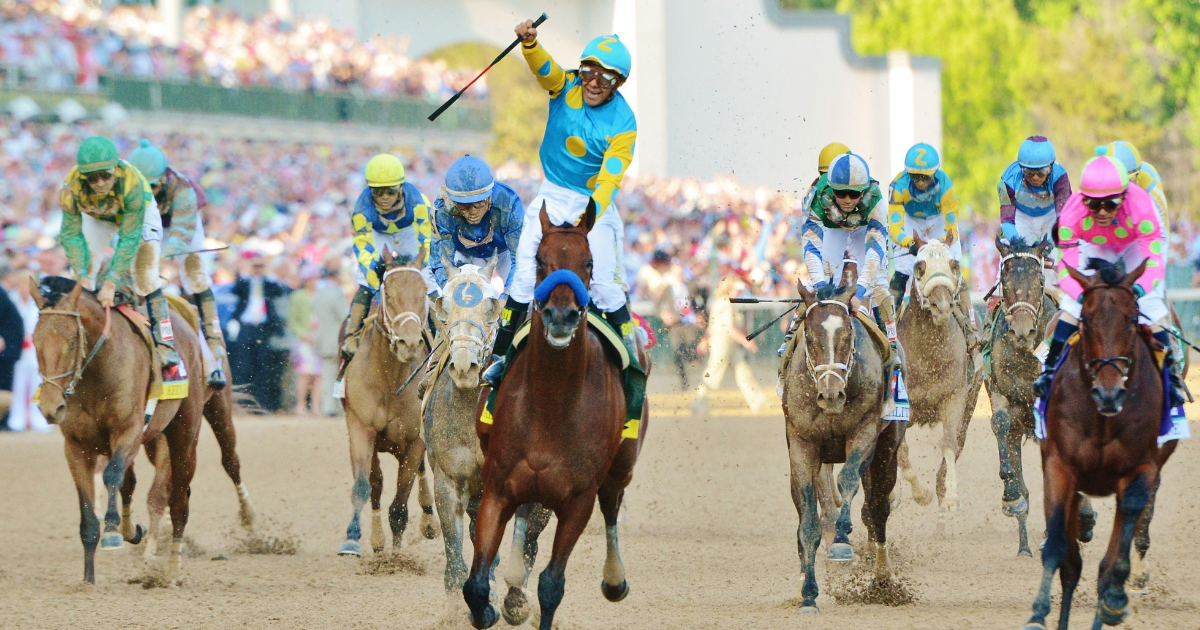
The peanut ban: Peanuts are famously unwelcome in barns and on backstretches, where many believe they bring misfortune if brought near the horses.
“S” names: Horses with names starting with “S” have an edge in Derby lore, with more wins than any other letter in the race’s history
Gray on a rainy day: When the track turns muddy, many bettors turn to gray horses, believing their visibility gives them an advantage.
Lucky (and unlucky) traits: A streak of gray in a horse’s tail is thought to bring good fortune, while full gray horses have oddly been viewed as less lucky by some.
Horse “socks”: Tradition holds that one white foot on a horse is a sign of luck, but four white feet may signal the opposite.
Betting rituals: From sticking with the same teller to waiting until the end of the day to cash out, many bettors swear by personal rituals to keep luck on their side.
For more on the Kentucky Derby, check out our guide and list of derby parties and events.