


6 must-see architectural styles in Louisville
Explore Bourbon City’s architectural wonders.

Louisville is well-known for its variety of architectural styles — from traditional to modern to somewhere in between. The Victorian mansions of Old Louisville and the cast-iron facades of downtown have received national attention for their historical significance and beauty. Just as each neighborhood possesses a unique charm, so do the structures within them.
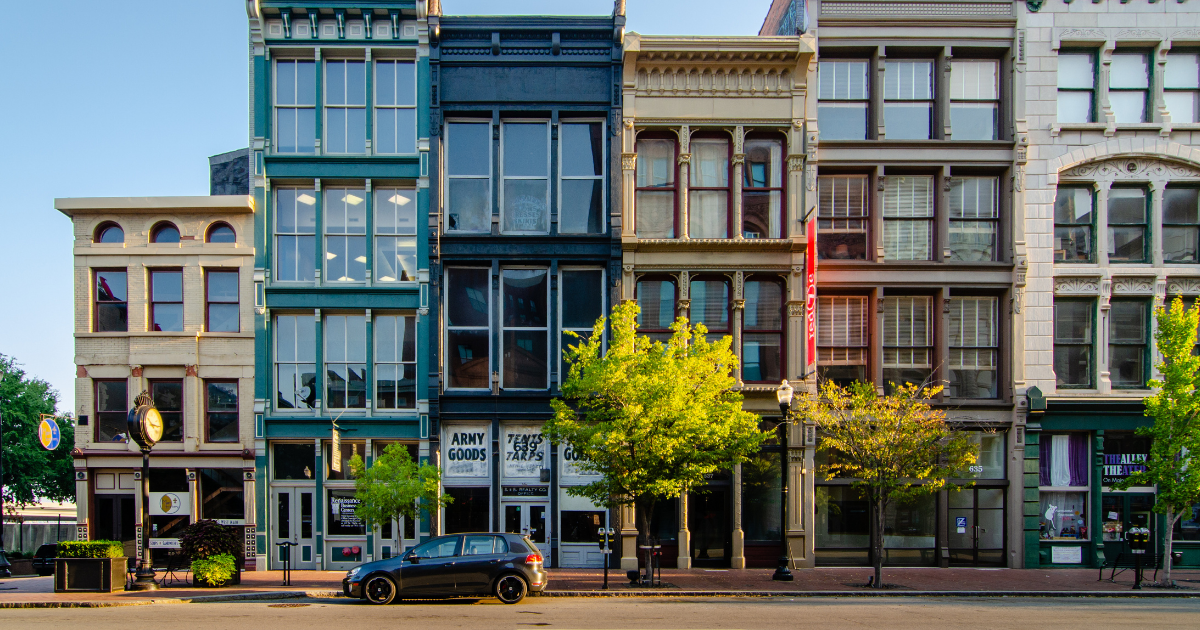
Cast-iron facades
Lining Louisville’s West Main Street are some of the oldest buildings in the city, built between the 1850s and the early 1900s. The Revivalist and Chicago-style buildings with cast-iron facades are the largest collection, second only to SoHo in New York City. For a little fun, take a magnet and stick it to the cast-iron facades to easily identify them, and check out the sidewalk bricks in front of the columns, which are placed sideways and flecked with iron.
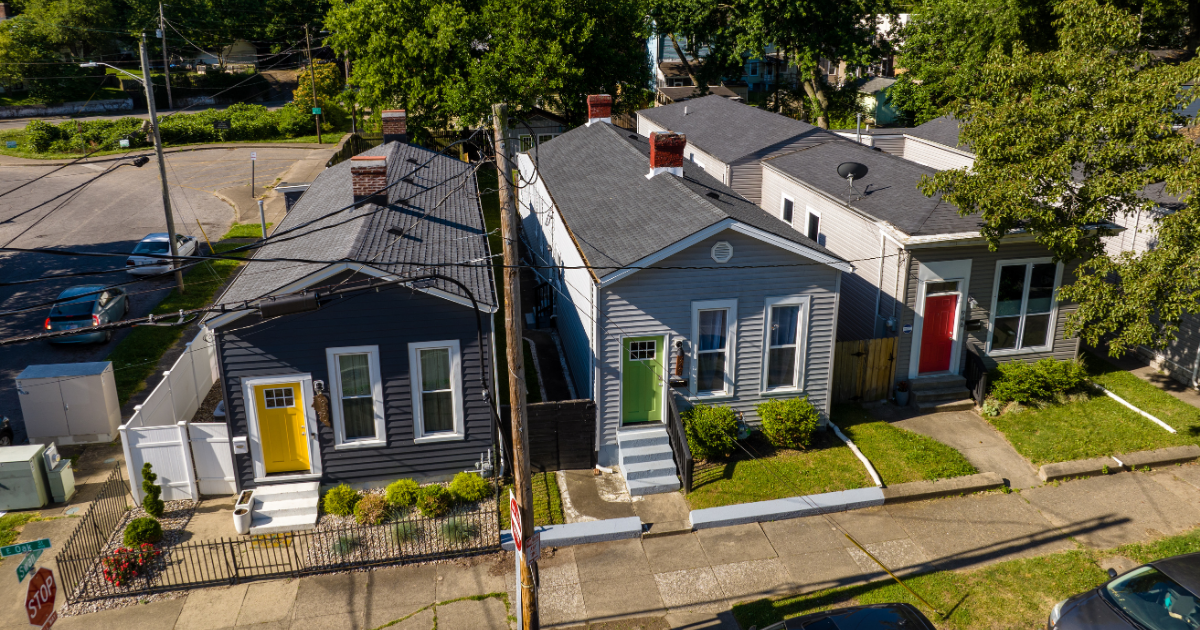
Shotgun houses
Louisville is known for its shotgun houses. You can find them in neighborhoods like Germantown (touted for having the largest collection), Portland, Butchertown, and Clifton. Key components of its design are a narrow, rectangular footprint and a single door with two tall windows in the front. Many of the homes have very small front yards with the home close to the sidewalk or street. The rooms in a shotgun house are accessed by walking through one room to the other.
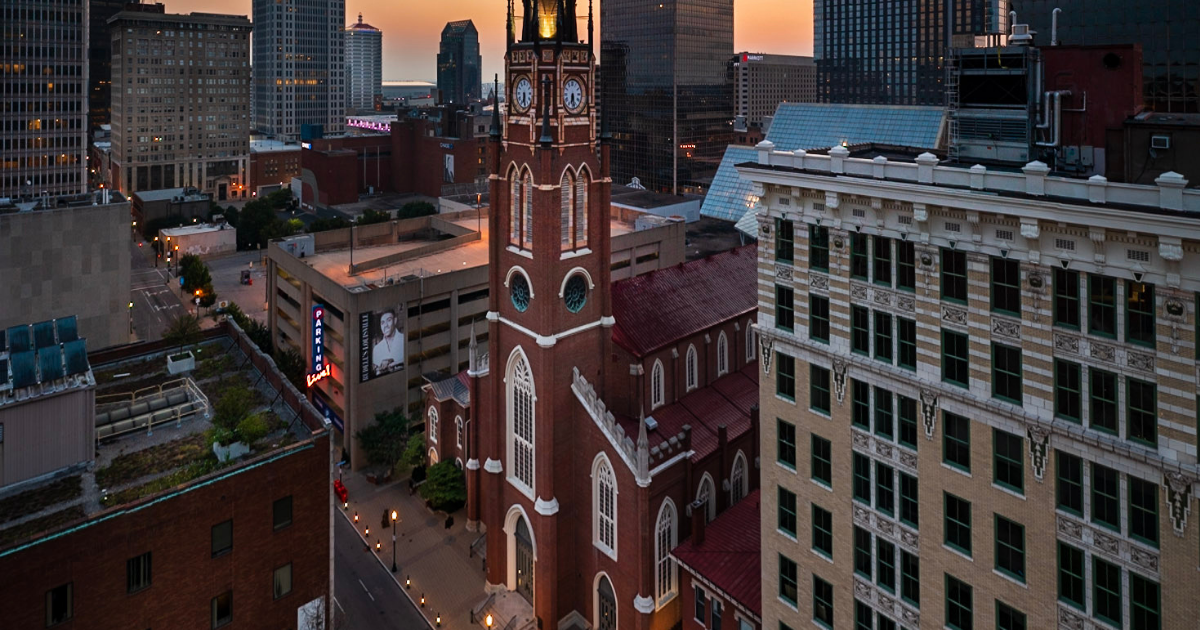
Neo-Gothic
The Cathedral of the Assumption is a significant architectural landmark in downtown Louisville. It’s the fourth oldest public building in the city, as well as the third oldest Catholic cathedral in the U.S. in continuous use. The building was built in 1852 and designed in the Neo-Gothic style. The steeple rises 287 feet above the Louisville skyline, and the Coronation window is one of the oldest surviving examples of hand-painted stained glass in the country.
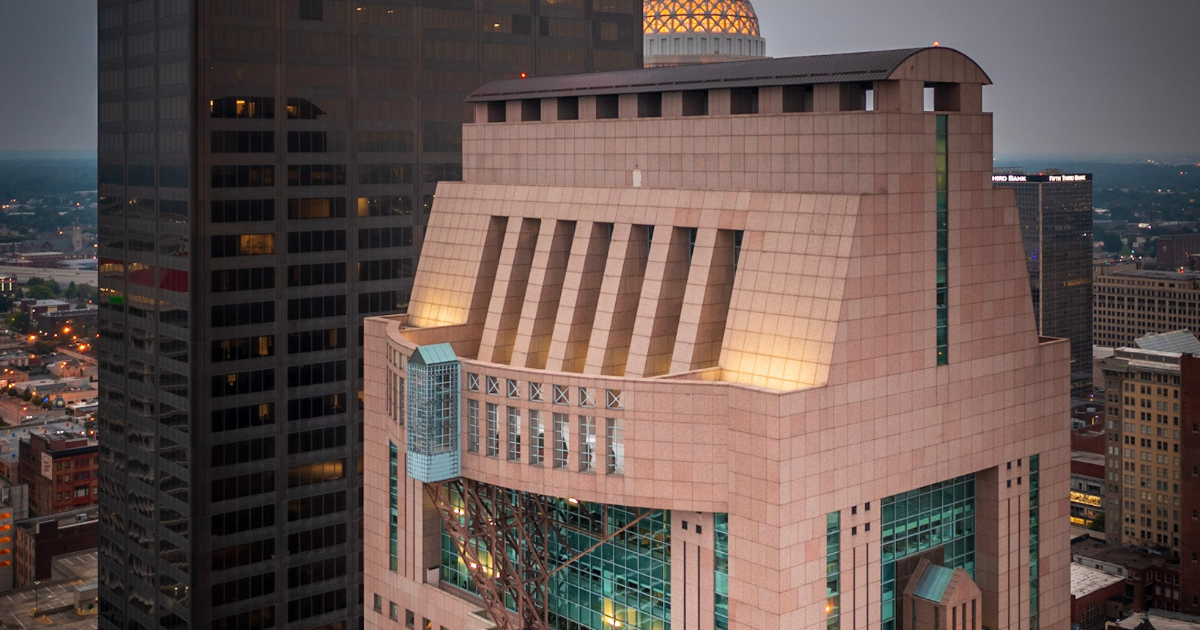
Postmodernism
One of the country’s earliest examples of postmodern architecture is the pink granite skyscraper located on Louisville’s Main Street. Built in 1985 and designed by Michael Graves, each side of the building is designed slightly different, up to a sloping pyramid style for the upper few floors. The north facade’s loggia, a gallery or room with one or more open sides, was designed to replicate the older architectural styles in the area so it would blend in with the original Main Street storefronts. The open-air front portion of the loggia includes a water feature.
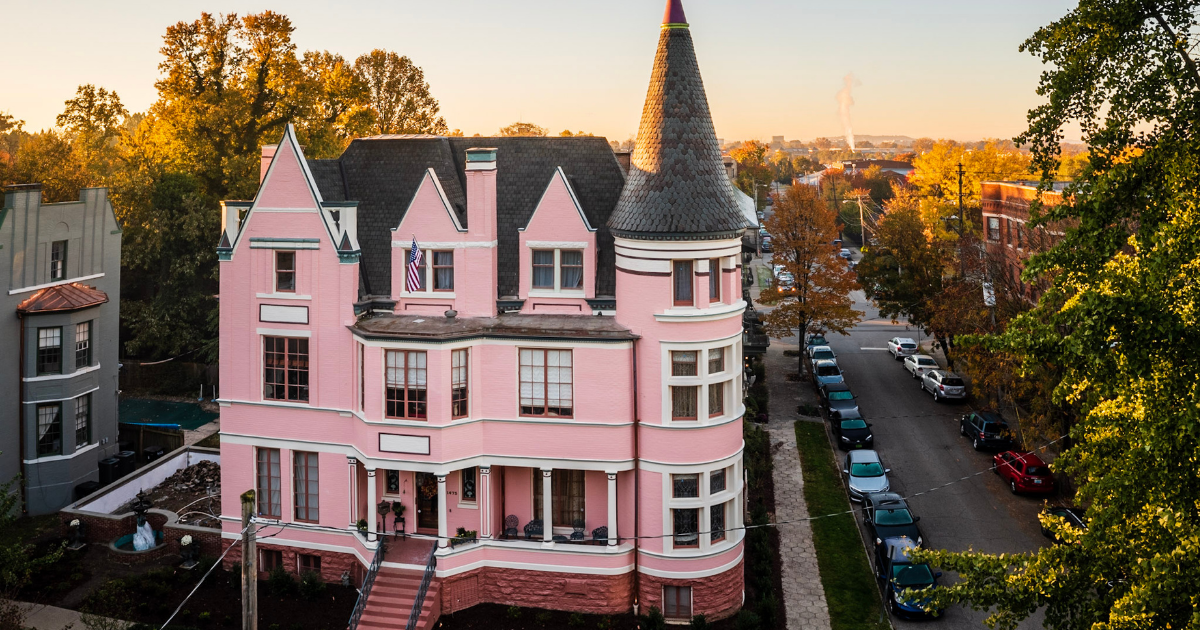
Victorian Mansions
The Old Louisville neighborhood near downtown and the University of Louisville is a registered historic district that owns the bragging rights of having the largest contiguous collection of Victorian mansions in the country. You’ll find more than 40 city blocks of Victorian-era homes in a variety of styles, including Beaux Arts, Chateauesque, Italianate, Neoclassical, and Queen Anne.
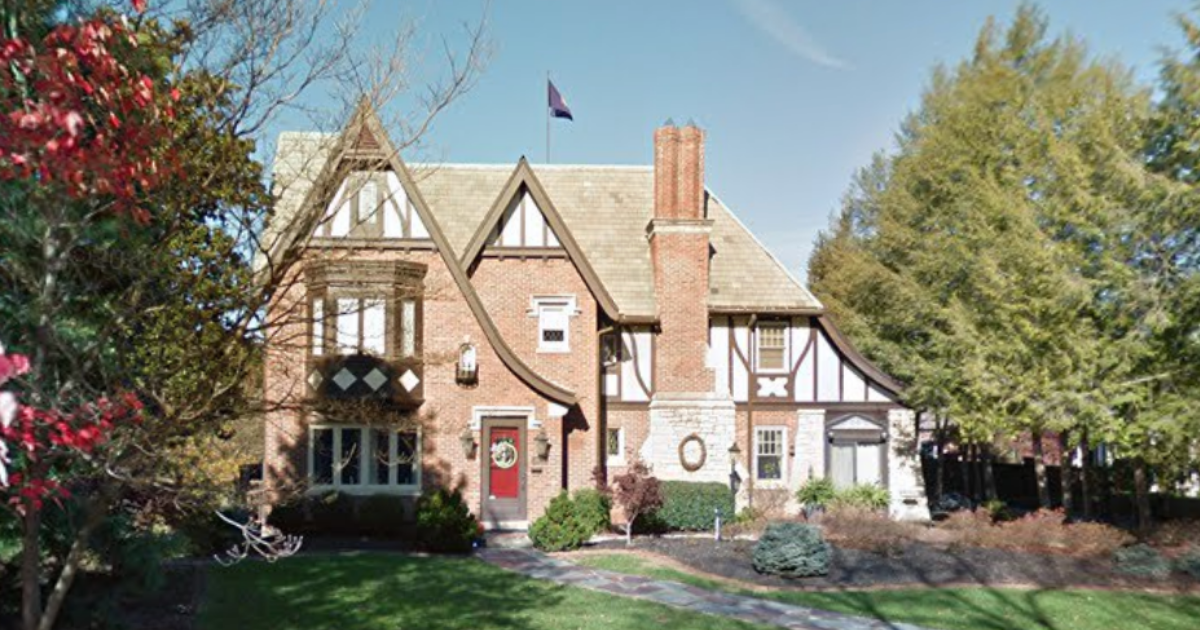
Tudor Revival
Based on the 17th-century Elizabethan architecture in England, this style resembles an English country cottage. It’s easily identified by its characteristic half-timbering, a decorative treatment that appears to expose structural elements. The style was one of the more popular of the early 20th-century styles in Louisville in neighborhoods like Upper Clifton, Cherokee, and Seneca Gardens.